
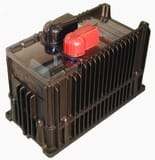
OutBack GFX1548 Sealed Grid-Tie Inverter 1500 Watts 48 Volts 120V/60hz
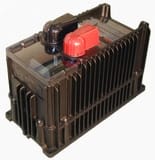
OutBack GFX1424 Sealed Grid-Tie Inverter 1400 Watts 24 Volts 120V/60hz
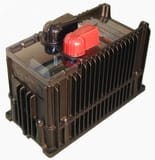
OutBack GFX1312 Sealed Grid-Tie Inverter 1300 Watts 12 Volts 120V/60hz
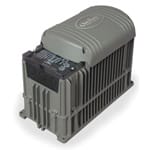
OutBack GVFX3024E Vented Grid-Tie Inverter 3000 Watts 24 Volts 230VAC 50HZ
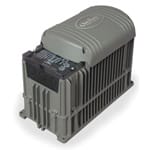
OutBack GTFX2012E Sealed Grid-Tie Inverter 2000 Watts 12 Volts 230VAC 50HZ
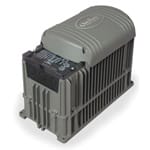
OutBack GVFX2612E Vented Grid-Tie Inverter 2600 Watts 12 Volts 230VAC 50HZ
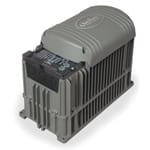
OutBack GTFX2348E Sealed Grid-Tie Inverter 2300 Watts 48 Volts 230VAC 50HZ
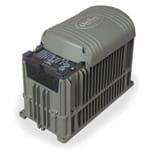
OutBack GTFX2024E Sealed Grid-Tie Inverter 2000 Watts 24 Volts 230VAC 50HZ
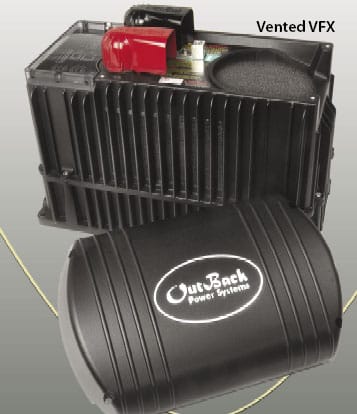
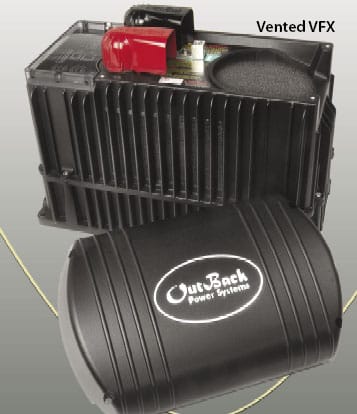
Outback GTFX3048 Sealed Grid Tie Inverter 3000W 48V 120VAC 60hz
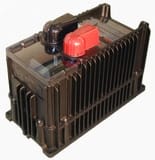
OutBack GTFX2524 Sealed Grid-Tie Inverter 2500 Watts 24 Volts
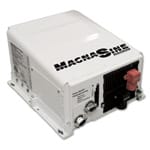
Magnum Energy MS2012, Off Grid Inverter, 2000 Watts, 12 Volts, P
Get a Grid-Tied Inverter at The Solar Store and Start Slashing Your Electricity Bill!
A grid-tied inverter converts the DC power your solar panels create into the AC power the grid needs. Any excess power you generate from your solar system gets fed to your utility through net metering. Your home or business still pulls power from the grid like normal when solar production drops. You don’t need any batteries for this type of system.
We help homeowners set up grid-tie systems when they want to lower their electricity bills without building a totally off-grid solar system. Your utility is still a viable backup, and you may get credited for the power you send back to the grid.
The Solar Store is your trusted source for any type of solar panel inverter. We’ve handpicked the latest and greatest models from the best brands the industry has to offer, and you’ll gain access to the lowest pricing with a full manufacturer warranty when you shop with us. Some of our most popular brands include:
Most models here still support battery backup, so you can start grid-tied and move off the grid later on if you decide to add storage. Our customer service team is here to help you pick the right grid-tied inverter, so reach out today and take the next step toward energy independence!